

Slow Travel Through the Pousadas of Portugal
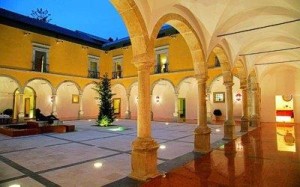
Some journeys feel less like travel and more like a return. My recent trip through the Algarve — revisiting the Pousadas of Estoi and Tavira — carried that quiet sense of coming back to something familiar. Portugal shaped me deeply during my diplomatic service there from 2002 to 2005, and it has a way of calling you back with a gentleness that’s hard to resist.
Many travelers arrive in Portugal for its coastlines, its food, its warmth, its nightlife. All of that is real and I enjoy that too. But there is another Portugal, one that reveals itself only when you slow down, change direction, pay attention, and allow history to guide your steps. That Portugal lives most vividly in the Pousadas of Portugal.
The Pousadas of Portugal are historic palaces, monasteries, convents, castles, and manor houses that have been carefully restored and opened to travellers. They are places where the past is not displayed behind glass; it is lived in the architecture, the atmosphere, and the stories embedded in the walls.
During my diplomatic posting, I stayed in several. Each one offered a different vantage point into Portugal’s identity — maritime, monastic, rural, aristocratic. Returning now, two decades later, I found that same quiet magic waiting for me.
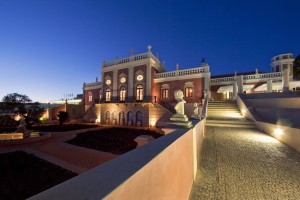
Pousada of Estoi: A Palace Suspended in Light
The Pousada Palácio de Estoi is a rococo palace where time seems to slow of its own accord. Its soft pink façades, sculpted gardens, and lingering light create an atmosphere that is both elegant and unhurried. Walking through its terraces again, I felt the same sense of gentle suspension I remembered from years ago. Estoi offers grandeur without noise, beauty without crowds.
Pousada of Tavira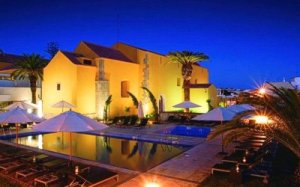 : A Cloister of Stillness
Tavira’s Pousada, housed in a former convent, is a place where silence feels intentional. The cloistered courtyard, the arches, the cool stone — they create a stillness that modern travel rarely allows. When I first visited in the early 2000s, I was struck by how timeless it felt. Returning now, nothing had changed, and that was the gift.
Tavira invites you to slow down: mornings that unfold quietly, meals that stretch into conversation, evenings that feel unhurried.
Slow Travel: A Diplomat’s Way of Seeing the Pousadas of Portugal
Diplomacy teaches you to observe — not just what people say or what you see but how a place feels, how history shapes behaviour, how culture reveals itself in small gestures. Diplomacy teaches you to travel with curiosity, attentiveness and humility. Diplomats adapt to the pace of the country they live in. Slow travel is built on the same principles. It’s the difference between passing through Portugal and understanding it.
It means:
- lingering in a village café long enough to sense the rhythm of local life;
- exploring a town in its entirety. The churches, the castles, the squares and the markets for sure. But also to step away to explore the backstreets. This is where a country truly reveals itself, where the rhythm changes and the noise softens;
- asking about the origins of a regional dish. You are not just asking about a meal; you’re inviting a story, a memory, a piece of identity; and
- routes that follow stories don’t start with maps; they start with a question. Why was this monastery built here? Why did people choose to live here?
The Pousadas make this kind of travel natural. They anchor you in history, and from that vantage point, Portugal becomes not just a destination but a story.
If you’re planning a journey to Portugal, consider staying somewhere with history in its walls. Let the country unfold at its own pace. The Pousadas of Portugal let you explore Portugal’s history and stories while enjoying the comfort of modern luxury.
If you travel slowly Portugal will not only open its doors it will open its soul!
 Associado Nº 1.322